In a world where social media is saturated with wellness trends and restrictive “detox” tea advertisements, finding reliable information can feel overwhelming. At Precision Dietetics, we champion evidence-based gut health to ensure our clients receive advice grounded in clinical science rather than fleeting internet fads. Understanding the complex ecosystem of your digestive system requires more than just a surface-level approach; it necessitates a deep dive into the biological mechanisms that govern how we process nutrients. By prioritising strategies that have been rigorously tested in clinical trials, we help individuals navigate their unique health journeys with confidence and clarity. This scientific foundation is essential because the digestive tract is not an isolated system. It interacts constantly with our immune system, our nervous system, and even our endocrine system. Without a clinical lens, it is easy to fall into the trap of expensive supplements that offer little more than a placebo effect. Our goal is to empower you with knowledge that is both practical and proven.
The Role of the Microbiome and Fiber Diversity
The human gut is home to trillions of microorganisms that play a vital role in everything from immunity to mental wellbeing. To achieve evidence-based gut health, one must focus on nurturing this diverse microbiome through varied and inclusive eating habits. Unlike restrictive diets that often eliminate entire food groups, a clinical approach looks at how different fibres and probiotics interact with your specific gut flora. This scientific perspective allows for a more flexible and sustainable way of eating that supports long-term digestive resilience. Recent research suggests that a diverse intake of plant-based foods can significantly improve the production of short-chain fatty acids like butyrate. These compounds are essential for maintaining the integrity of the intestinal barrier and reducing systemic inflammation. When we understand the “why” behind our dietary choices, we are far more likely to maintain the habits that keep our internal systems flourishing. We encourage our clients to think of their microbiome as an internal garden that requires a variety of different nutrients to remain vibrant. Broadening your palate is often more effective than narrowing it when the goal is long-term stability.
Managing Complex Gastrointestinal Conditions
For those living with conditions such as IBS, IBD, or recovery from gastrointestinal surgery, generic advice is often insufficient and sometimes harmful. Implementing evidence-based gut health protocols means using targeted interventions like the Low FODMAP diet under the supervision of a registered dietitian. These clinical pathways are designed to identify specific triggers without causing unnecessary nutritional deficiencies or a poor relationship with food. Lisa Poole and her team focus on precision, ensuring that every adjustment to your plate is backed by the latest research in gastroenterology. This ensures that symptoms are managed effectively while still allowing you to enjoy a wide variety of “real” foods. We also recognise that conditions like Crohn’s disease or Ulcerative Colitis require a nuanced approach that changes depending on whether a patient is in a flare-up or in remission. Managing these complexities requires a professional who can interpret clinical markers and adjust nutritional support accordingly. Safety and efficacy are our primary concerns when dealing with medical diagnoses that impact daily quality of life.
The Gut-Brain Axis and Mental Wellbeing
An often overlooked aspect of digestive therapy is the profound connection between the mind and the gut. To truly master evidence-based gut health, we must acknowledge the Vagus nerve and the constant bidirectional communication between the enteric nervous system and the brain. This explains why stress, anxiety, or trauma can manifest as physical symptoms like abdominal pain, urgency, or bloating. Our practice integrates this understanding into every consultation, ensuring that we are not just treating a stomach, but a whole person. We often work with clients to identify how psychological stressors might be exacerbating their physical discomfort. By using techniques such as mindful eating or cognitive behavioral strategies alongside nutritional adjustments, we see much better outcomes for our patients. Science shows that when the nervous system is in a state of “rest and digest,” the enzymes and motility required for healthy function are far more efficient. Ignoring the mental component of gut health is a disservice to the clinical process.

The Connection Between Hormones and Digestion
A unique aspect of our practice is the recognition of how life stages, such as the menopause, significantly impact digestive function. Evidence-based gut health takes into account the hormonal shifts that can lead to increased bloating, changes in bowel habits, and altered metabolism during perimenopause. Since Lisa Poole is a British Menopause Society recognised dietitian, our approach integrates hormonal health with nutritional science to provide a holistic recovery plan. Oestrogen plays a subtle yet critical role in regulating the speed at which food moves through the digestive tract. When levels fluctuate or decline, many women experience a noticeable increase in transit time or uncomfortable gas. By addressing the root cause of these shifts, we can tailor dietary interventions that alleviate discomfort and support bone and heart health simultaneously. This level of specialised care is what defines a truly personalised dietetic service that looks at the whole person rather than just the symptom. We find that many women feel ignored by traditional medical routes, but our clinical focus provides the validation and solutions they deserve. Understanding the interplay between the endocrine system and the gut is a hallmark of our precision approach.
Why “Eat it Real” is a Scientific Standard
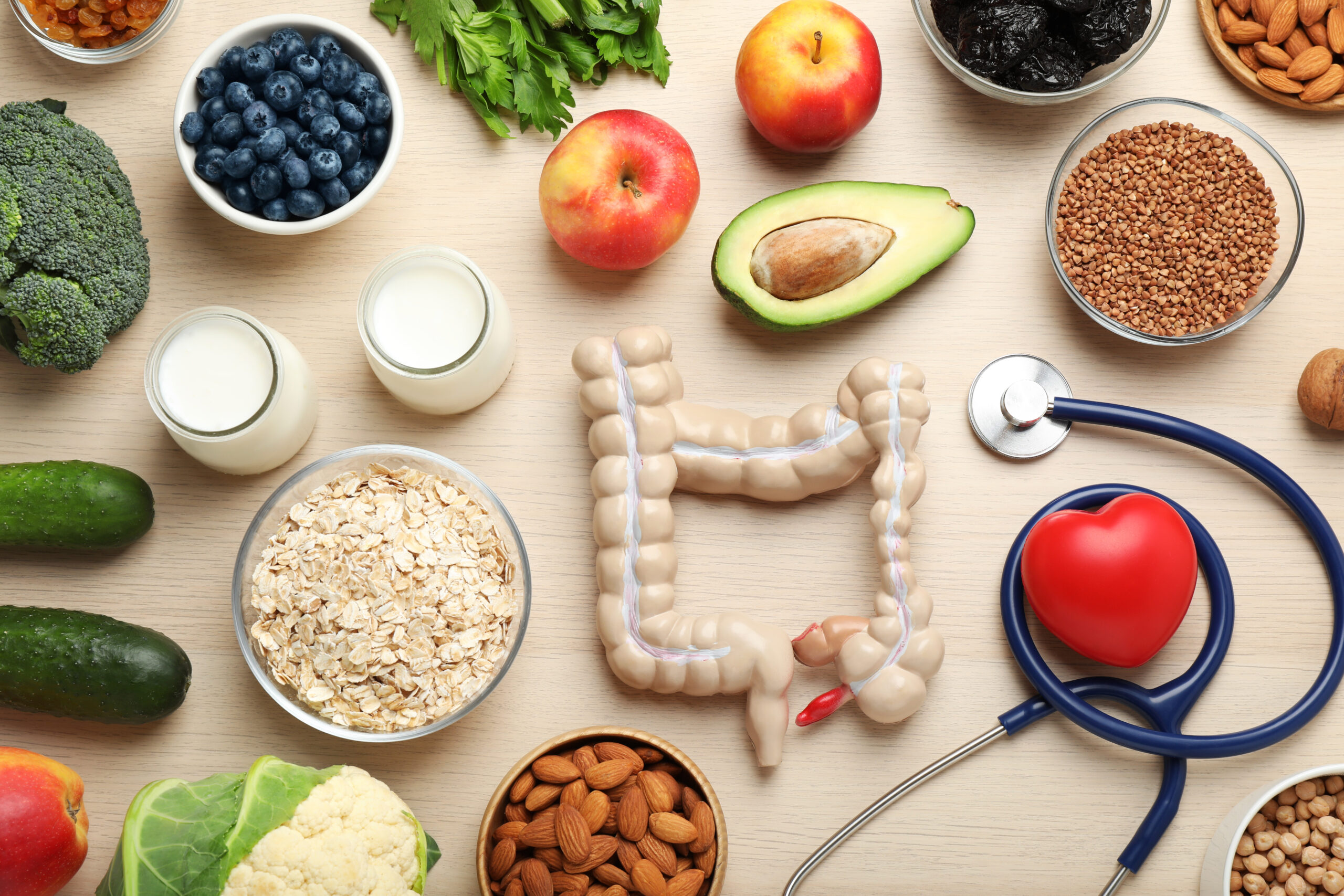
Our philosophy of “Eat it Real” is not just a catchy slogan; it is a fundamental pillar of evidence-based gut health. Processing and ultra-processed foods often contain emulsifiers and additives that research suggests may disrupt the delicate mucosal lining of the gut. By focusing on whole, minimally processed ingredients, we provide the body with the raw materials it needs to repair and thrive. This does not mean perfection is required, but rather that the foundation of your diet is built on nutrient-dense choices that support physiological function. Moving away from “dieting” and toward nourishing is a transition supported by decades of nutritional data and clinical observations. Modern science consistently points toward the Mediterranean-style pattern of eating as a gold standard for longevity and digestive stability. We help our clients find ways to make these whole foods accessible and enjoyable within the context of a busy, modern lifestyle. Health is about consistency over time, and real food provides the most sustainable path to achieving that.
Clinical Supervision and Professional Excellence
Maintaining a high standard of care means constantly engaging with the latest clinical developments and peer reviews. At Precision Dietetics, evidence-based gut health is supported by our commitment to clinical supervision and ongoing professional development. This ensures that every recommendation we make is safe, ethical, and aligned with the most recent guidelines from the British Dietetic Association. We believe that a practitioner who continues to learn is a practitioner who provides the best results for their patients. By offering supervision to other healthcare professionals, Lisa Poole helps raise the standard of dietetic care across the industry. This culture of excellence filters down into every client interaction, providing you with peace of mind that your health is in expert hands. Whether we are discussing the nuances of ARFID or the specifics of oncology nutrition, our advice remains rooted in the highest level of professional accountability. We take pride in being a trusted source of truth in an industry often filled with misinformation.
Long-term Success and Preventative Care
Ultimately, the goal of a clinical intervention is to move beyond symptom management and toward preventative health. By establishing a routine built on evidence-based gut health, you are investing in your future self and reducing the risk of chronic metabolic diseases. We work with you to create a toolkit of strategies that you can use for the rest of your life, long after our sessions have ended. This includes understanding how to read food labels, how to cook for your specific needs, and how to navigate social eating without fear. Education is the core of what we do because we want you to be the expert in your own body. Our support is designed to be a bridge that carries you from a place of discomfort to a place of dietary freedom and confidence. When you have the right clinical support, the path to wellness becomes much clearer and less daunting. Precision is not about restriction; it is about finding exactly what your body needs to thrive.
Frequently Asked Questions About Evidence-Based Gut Health
What is the difference between a nutritionist and a registered dietitian in Hampshire?
A registered dietitian, like Precision Dietetics in Rowlands Castle, is a protected title and a regulated health professional. While many nutritionists are well-qualified, only dietitians are governed by the Health and Care Professions Council (HCPC) and are trained to treat clinical conditions through evidence-based gut health interventions. This ensures the highest level of safety for patients with medical needs.
Do you offer private gut health consultations near Waterlooville?
Yes, our clinic is located in Rowlands Castle, making it easily accessible for residents of Waterlooville, Havant, and the wider Hampshire area. We provide specialised support for IBS, ARFID, and oncology-related nutritional needs for the local community. We offer flexible booking times to accommodate the schedules of our local patients.
Can I book an online appointment if I am not in the South of England?
Absolutely. While we have a physical presence in Hampshire, we offer remote consultations across the UK. This ensures that everyone has access to professional, evidence-based gut health advice regardless of their geographical location. Our digital platform is secure and designed to provide a seamless experience for all patients.
How does menopause affect my digestive system?
Hormonal fluctuations can slow down gut motility and change the composition of gut bacteria. Our specialised menopause packages are designed to address these specific issues using the latest clinical research to restore comfort and balance during this transition. We focus on both dietary changes and lifestyle adjustments to manage these changes holistically.
Is the Low FODMAP diet suitable for everyone?
No, the Low FODMAP diet is a specific clinical tool for IBS and should only be followed under professional guidance to avoid malnutrition. We use evidence-based gut health principles to determine if this or another dietary strategy is the right fit for your symptoms. We always prioritise the least restrictive path that still achieves symptom relief.